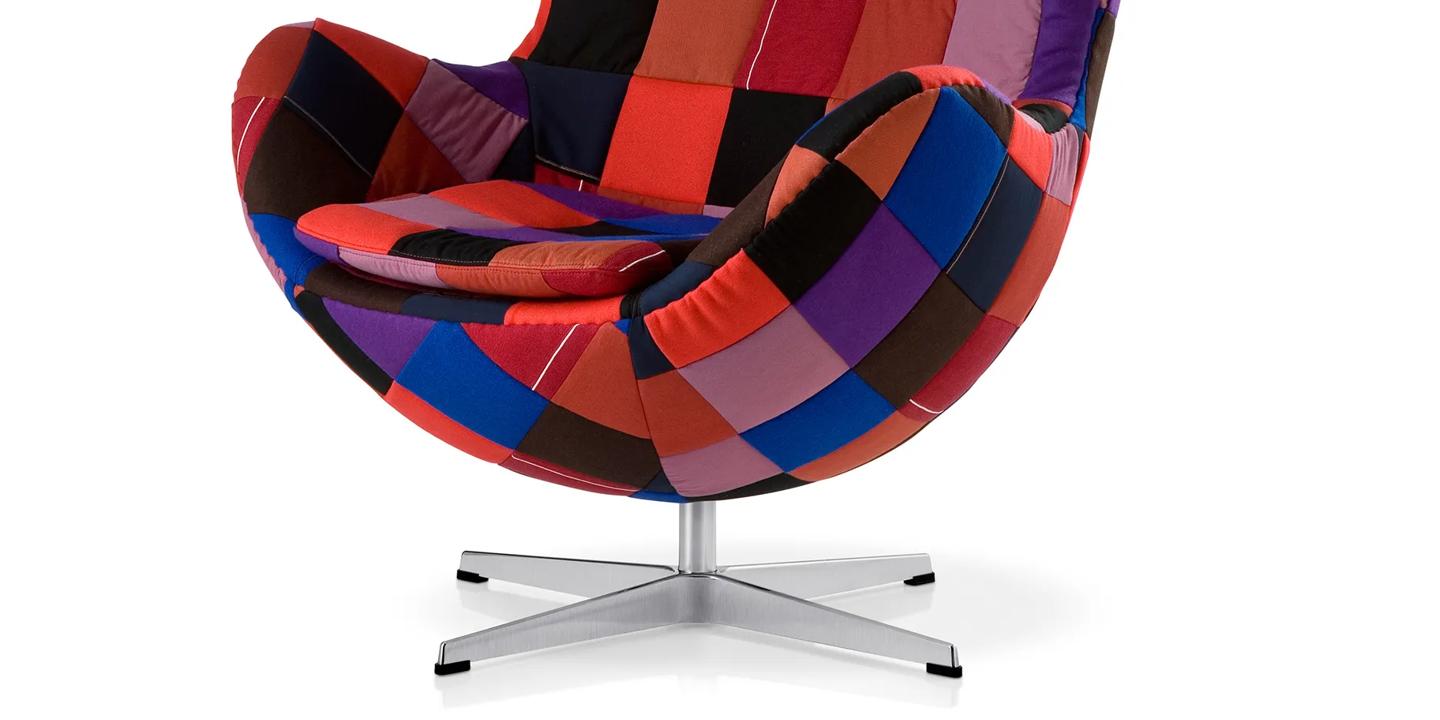
Danish design: simple and elegant
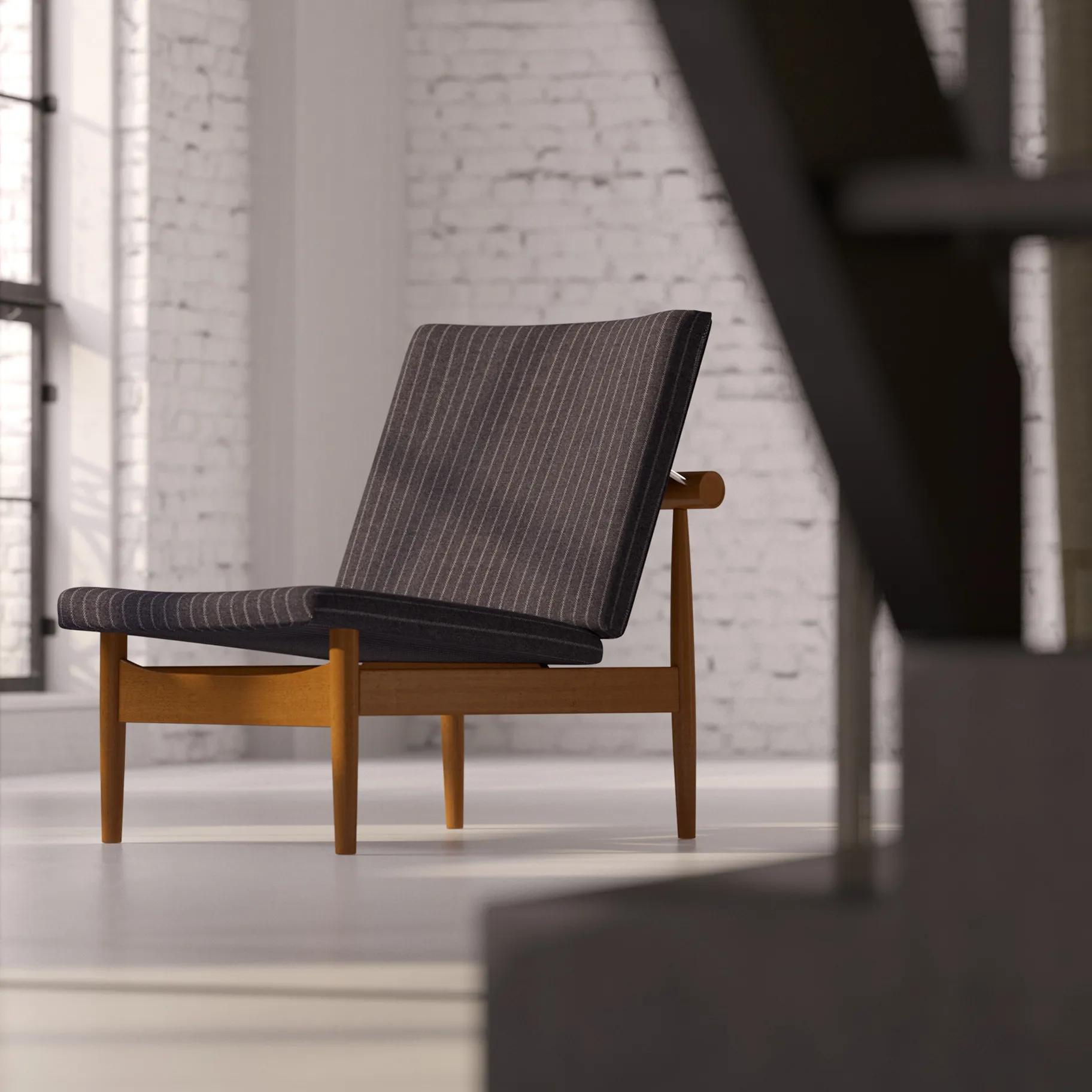
Danes are rightfully proud of their most famous export product: Danish design. Clean lines and simple forms create shapes that are loved for their simplicity and the way they exude class. Denmark’s global reputation in the field of design rests largely on the principle of ‘form follows function’.
Danish innovation on foot
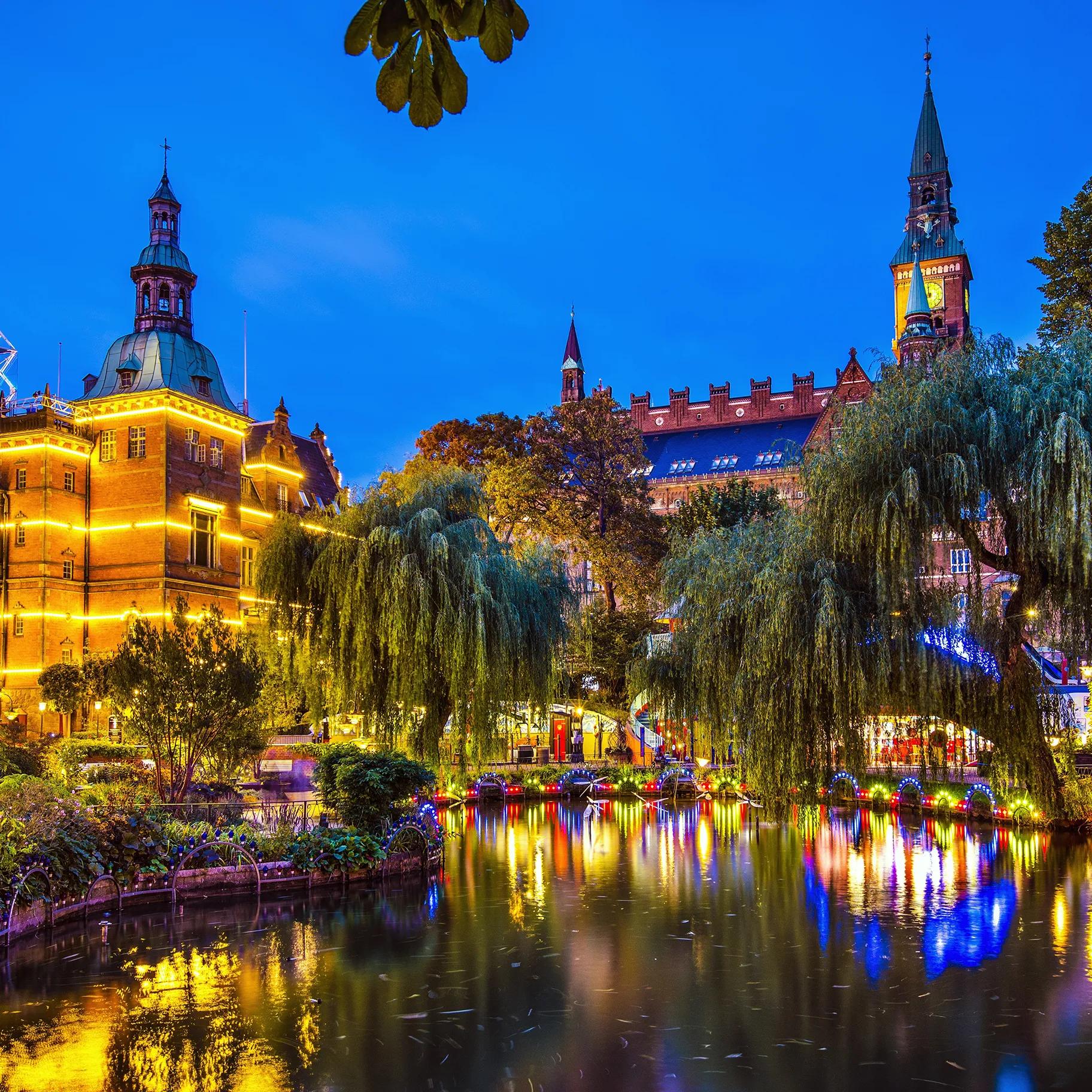
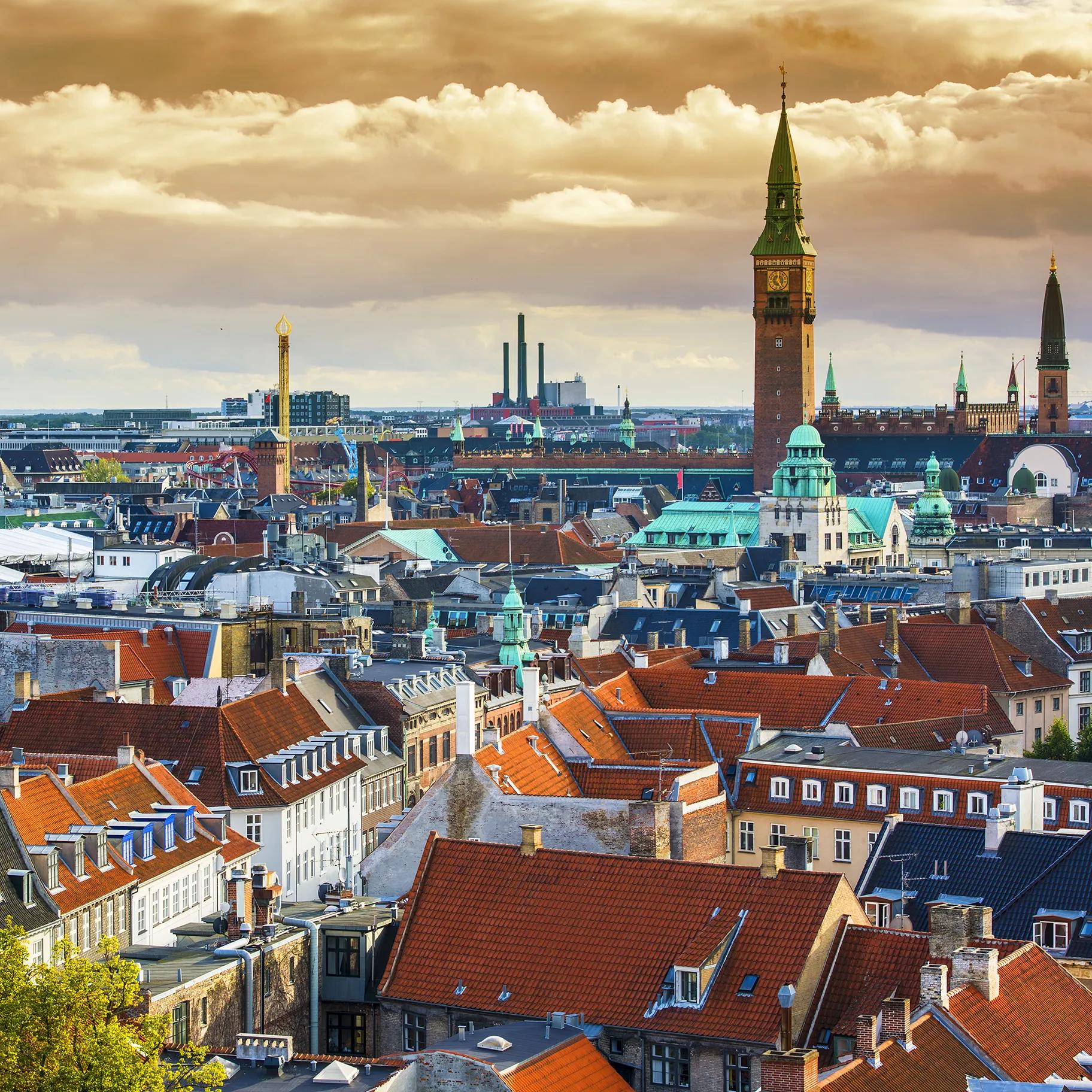
Tivoli is a great place to start your discovery of Copenhagen. Fun for both young and old, this jolly theme park has wooden rollercoasters and colourful carousels for the kids and Poul Henningsen’s design legacy for grown-up connoisseurs. This trailblazing architect and designer had 2,000 lanterns installed around the lake in Tivoli, all of which pivot on their axis by means of small engines. Behind Tivoli is the Radisson Blu Royal Hotel, considered the first designer hotel in the world. The hand of Arne Jacobsen, one of the founders of Danish design, has marked this building inside and out – this is the hotel for which he designed his world-famous chairs The Egg and The Swan. Room 606 has been left in its original state as homage to Jacobsen. And those who just want to immerse themselves in the Jacobsen atmosphere for an evening can enjoy a drink in the elegant hotel bar. Bredgade is Copenhagen’s designer street of choice. It abounds in cosy antique shops specialised in the creations of Danish designers such as Georg Jensen and Hans Wegner. Bredgade is also the location of the famous Bruun Rasmussen auction house, as well as the Design Museum. This museum showcases industrial pieces from around the world including Danish works by Kaare Klint, Poul Henningsen and Arne Jacobsen. Check out the lamps in the museum café: they are replicas of Klint’s classical Fruit Lamp.
Cutting-edge opera house
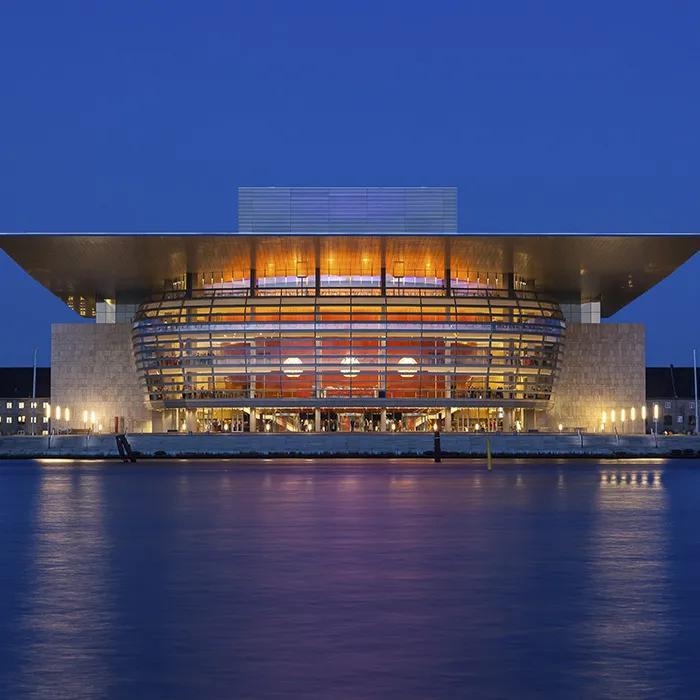
In the neighbourhood of Holmen, across the water from the Amalienborg Palace complex, is the Copenhagen Opera House. For the Danish architect Henning Larsen this piece of art was a hard nut to crack, but today is considered to be one of the most modern opera buildings in the world. The brief was for a design that would be both innovative and durable, and cheap in terms of maintenance. Its clean contours, composed of glass, limestone and metal, make the Opera House a timeless, distinctive Danish design. And it has an unparalleled location on the water.
Related articles
Shopping
The charming neighbourhood of Latinerkvarteret owes its name to the university which has been located here for centuries. And while the name may make you think of the Latin Quarter in Paris, this hidden area of central Copenhagen has a character all of its own. In addition to the university buildings, the Latinerkvarteret boasts hip record shops, quirky comic book stores and many second-hand boutiques.
Shopping
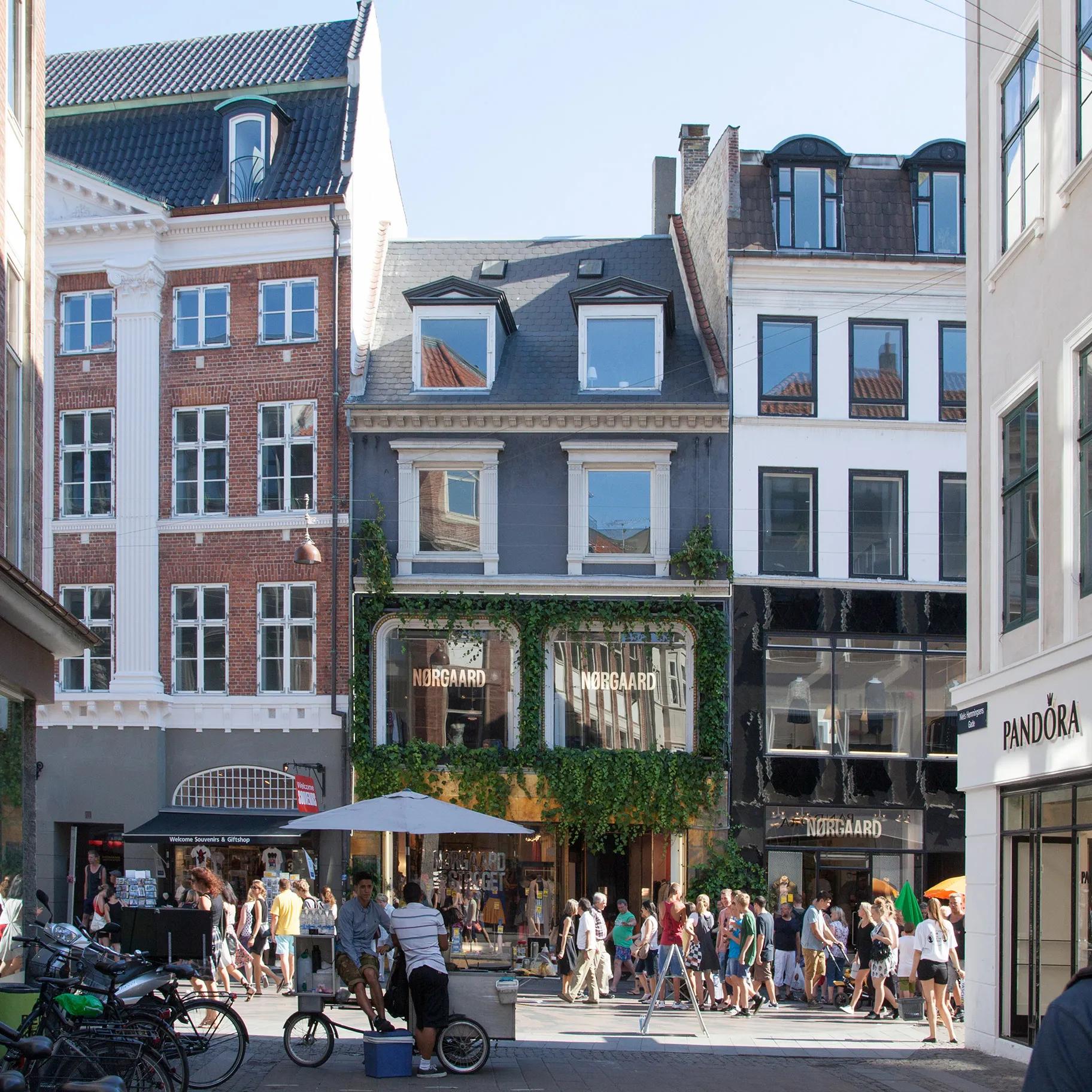
Copenhagen is the fashion capital of Scandinavia, as its stylish inhabitants show every day. Clothing plays an important role in the lives of the Copenhageners, who brave the cool climate in the most beautiful and warmest creations. The Danish fashion industry is flourishing like never before and there are countless successful designers for you to discover.

*The displayed prices are for one adult. All amounts are in USD. Taxes and surcharges are included. No booking fee is applicable. Prices shown may vary depending on fare availability.
The weather forecast information is provided by World Weather Online. Air France-KLM is not responsible for the reliability of this data.